Troubleshooting Commercial Rooftop AC Leaks Before They Damage Your Business
A leaking commercial rooftop air conditioning unit is a serious headache for property managers and business owners, especially when facing the notorious triple-digit heat of the Metroplex. When you are managing a commercial property, the last thing you want is a frantic call from a tenant about water dripping from the ceiling onto their desks or inventory. Water intrusion not only disrupts daily operations but can also lead to significant structural damage and costly liabilities if not addressed immediately.
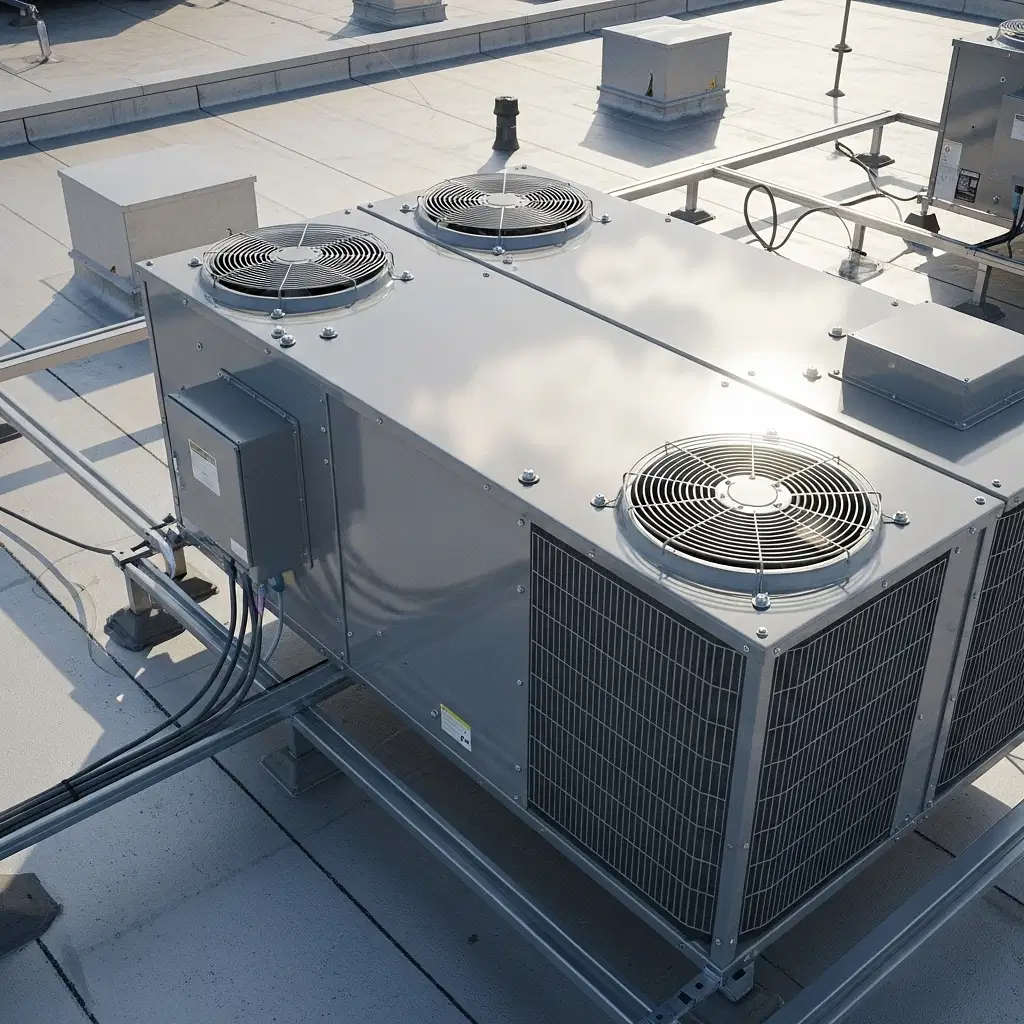
If you have noticed a commercial air conditioner leaking inside the building, it is crucial to understand the underlying mechanics of your system. Rooftop units (RTUs) are constantly exposed to the harshest weather elements while managing massive volumes of air and condensation. When this condensation fails to drain properly, the water has nowhere to go but down into your facility. Understanding the root causes of these leaks can help you communicate effectively with your technicians and take the right preventative steps to protect your property and your bottom line.
Common Causes of Commercial AC Drain Pan Overflow
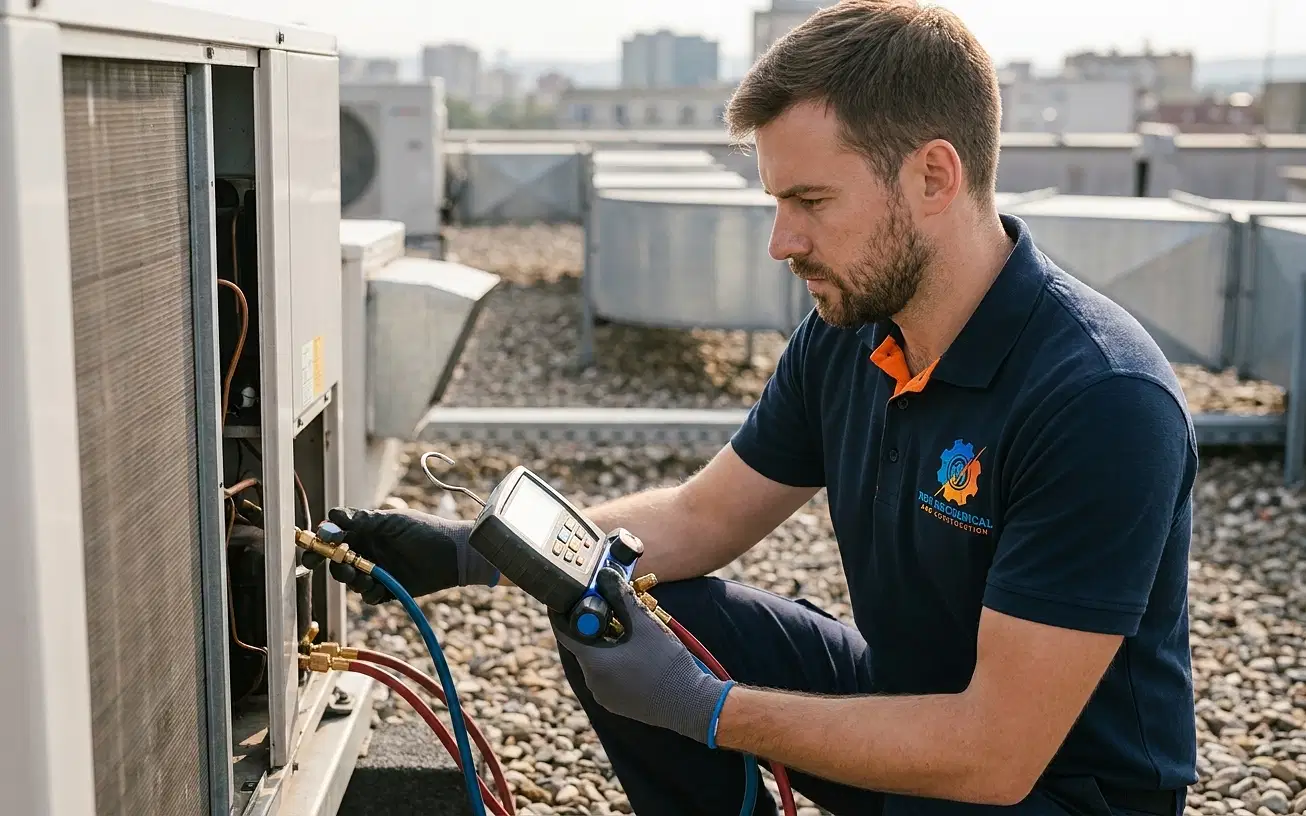
Commercial RTUs generate a tremendous amount of condensation as they extract heat and humidity from your building's indoor air. This moisture is designed to collect in a drain pan and safely route away from the building. However, several common failures can disrupt this process, resulting in a commercial rooftop unit leaking water into your workspace.
Clogged Condensate Drain Lines: This is arguably the most frequent culprit behind rooftop leaks. Over time, the constant presence of moisture creates a breeding ground for algae, mold, and mildew within the drain line. Combined with airborne dust and debris from the roof, this sludge can easily create a total blockage. Fixing clogged hvac condensate drain lines promptly is essential. When the water cannot exit the pipe, it backs up into the drain pan and eventually overflows into the ductwork and ceiling below.
Damaged or Deteriorated Drain Pans: Commercial HVAC systems are heavy-duty pieces of equipment, but they are not invincible. Older systems that have endured years of harsh weather and temperature fluctuations can develop rust, corrosion, or hairline cracks in the metal or plastic drain pans. If the pan itself is compromised, even a perfectly clear drain line will not prevent the water from seeping through the bottom of the unit and into the building.
Frozen Evaporator Coils: It might sound counterintuitive during a sweltering summer day, but your AC coil can freeze solid. This typically happens due to restricted airflow caused by severely dirty air filters, or from a refrigerant leak that drops the pressure in the system. As the system runs, ice builds up on the coil. When the unit eventually cycles off, that large block of ice melts rapidly, producing a surge of water that easily overwhelms the capacity of the standard drain pan and creates a massive leak.
Improper Unit Leveling: If a rooftop unit was not properly leveled during its initial installation, or if the roof structure has settled over time, the water will pool on the wrong side of the drain pan instead of flowing naturally toward the drain line. This standing water eventually spills over the edges.
The Hidden Costs of Ignored Rooftop Leaks
Beyond the immediate annoyance of a puddle on the floor, water intrusion from an RTU can lead to significant secondary issues that impact your business's profitability. High indoor humidity levels, exacerbated by standing water in the ductwork, can make the commercial space incredibly uncomfortable. This forces the HVAC system to work much harder to cool the building, directly driving up your utility bills during peak summer months.
Furthermore, damp ceiling tiles, saturated insulation, and standing water in ventilation shafts create the perfect environment for mold and mildew growth. This severely compromises the indoor air quality of your facility, leading to potential health concerns for employees and customers, and increasing the risk of lease disputes or tenant turnover.
If water is actively leaking into your building, your immediate first step should be to turn off the affected unit at the thermostat to stop the continuous flow of new condensation. Move any sensitive electronics, merchandise, or critical documents away from the leak area. Because commercial cooling systems are highly complex, operate on high voltage, and require roof access, this is absolutely not a situation for DIY troubleshooting. You need dedicated mechanical services to accurately diagnose the root cause and implement a permanent fix safely.
For sudden, severe leaks that threaten your immediate business operations, reaching out for 24/7 emergency service is the fastest way to mitigate water damage, clear the blockage, and get your vital climate control systems back online.
Proactive Maintenance: Protecting Your ROI
The most cost-effective way to handle a commercial rooftop AC leak is to prevent it from ever happening. Relying strictly on reactive, emergency repairs strains your operating budget, stresses your tenants, and disrupts your day-to-day management duties. By implementing a proactive preventative maintenance schedule, you can catch these minor drainage issues before they escalate into major water damage.
During routine maintenance, a certified technician will thoroughly clear and flush condensate drain lines, treat drain pans to prevent algae growth, inspect for micro-cracks, and verify that refrigerant levels and airflow are optimal to prevent coil freezing. This proactive approach ensures your units run efficiently, which saves you money on monthly utility costs and significantly extends the operational lifespan of your expensive heavy equipment.
Don't let a preventable drainage issue turn into a major operational nightmare. If you are currently dealing with a commercial AC leak, or if you want to secure your equipment's reliability before the next Texas heatwave puts your systems to the test, contact the experts at RDS Mechanical and Construction. We specialize in comprehensive HVACR repair and customized maintenance programs designed specifically around the ROI and operational needs of local property managers and business owners. Let y'all focus on running and growing your business, while we handle your comfort and mechanical reliability.