Troubleshooting Commercial Heating System Startup Failures
Winter weather in The Metroplex can be notoriously unpredictable. One day your commercial AC is running at full blast, and the next, a sudden cold front forces you to switch over to heating. Unfortunately, the first real cold snap of the season is often exactly when property managers and small business owners discover a rooftop unit heating startup failure. When your commercial heating system fails to ignite, it doesn't just mean a chilly morning for your employees and customers—it translates directly into uncomfortable working conditions, tenant complaints, and a hit to your bottom line.
At RDS Mechanical and Construction, we know that minimizing downtime and maximizing operational efficiency are top priorities for local businesses. You need your facility running smoothly, and heating disruptions throw a massive wrench into those plans. While some heating issues require immediate professional intervention, understanding the root causes of these failures can help you communicate better with your technicians and potentially resolve minor hiccups on your own. If you are currently dealing with a sudden breakdown and need immediate assistance to protect your operations, our 24/7 emergency service team is always ready to deploy.
Common Culprits Behind Startup Failures
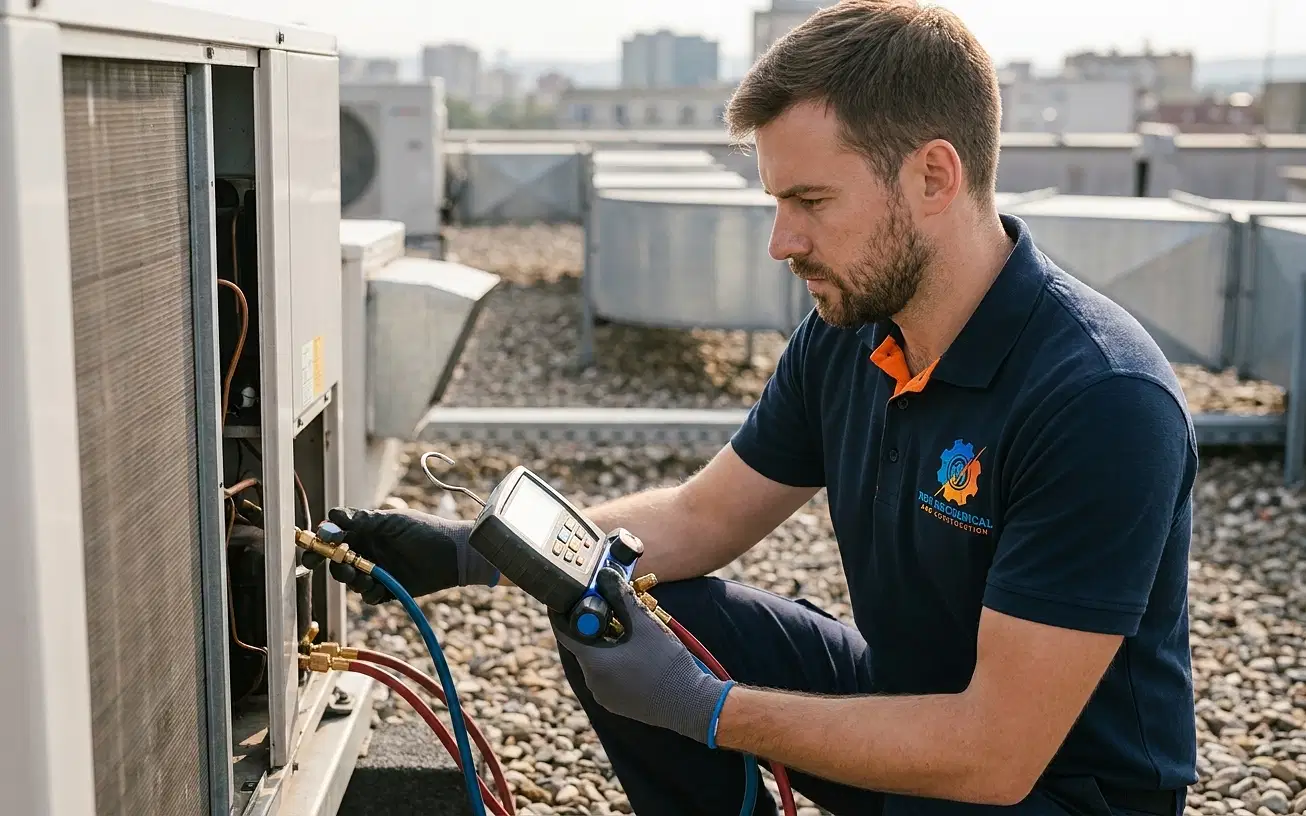
When a commercial furnace is not blowing hot air or a rooftop unit refuses to start, the issue often boils down to a few common culprits. One of the most frequent problems we encounter is a commercial heating system ignition lockout. This happens when the system's safety sensors detect an anomaly during the ignition sequence—such as a failure to establish a flame—and shut the unit down to prevent gas buildup or equipment damage. Ignition lockouts can be caused by something as simple as a dirty flame sensor or as complex as a failing gas valve.
Another frequent cause of startup failure is restricted airflow. Commercial HVAC systems require a precise balance of air to function correctly. If you are wondering how often you should replace your building's air filters, the answer for most commercial facilities is at least once a quarter, though high-traffic or industrial environments may require monthly changes. Clogged filters force the system to work harder, which can trigger safety switches that shut the furnace down before it even starts producing heat.
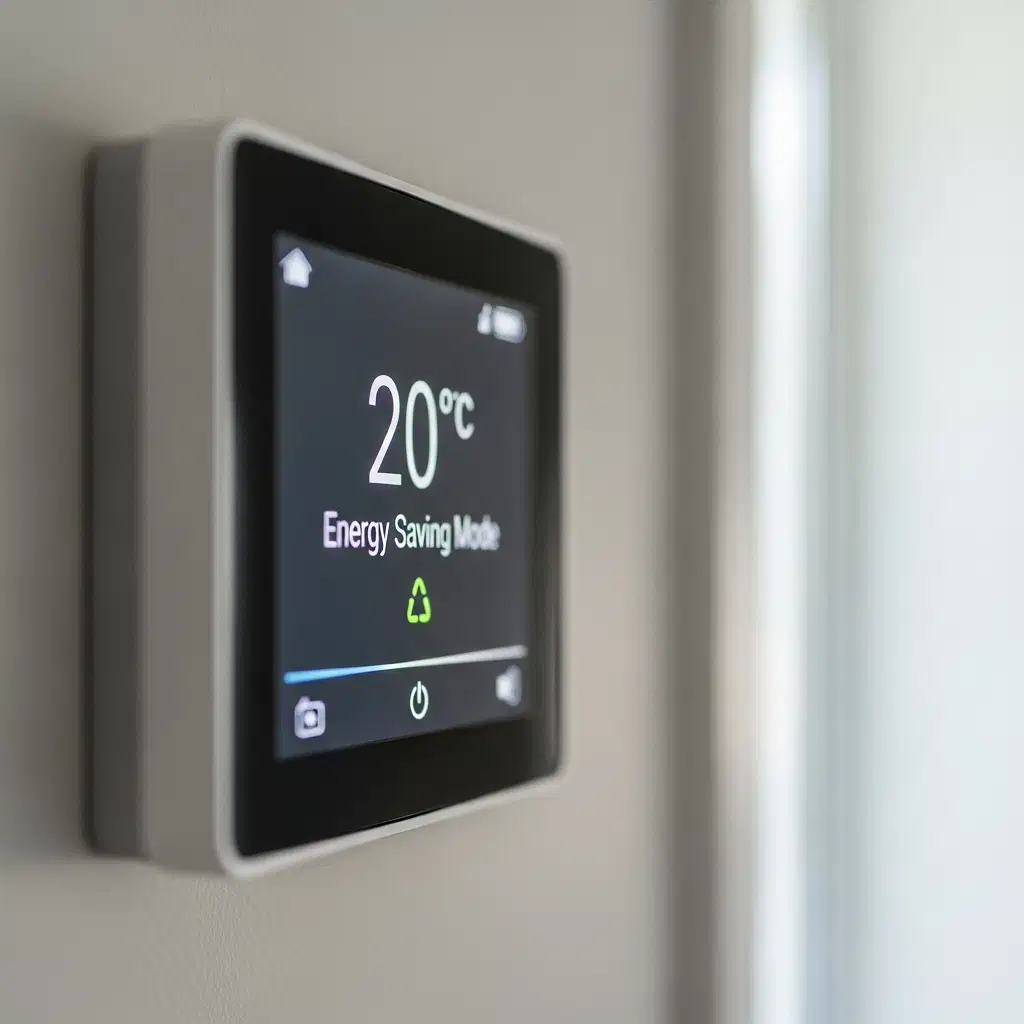
Today's industry is rapidly shifting toward smart thermostats and IoT-enabled diagnostics. These technologies allow for remote monitoring and can often alert you to a potential ignition failure or airflow restriction before the building even begins to lose heat. Upgrading to these systems is a proactive way to reduce the costly operational delays associated with unexpected heating outages.
What You Can Check Before Calling a Professional
Before you pick up the phone, there are a few safe, simple checks a facility manager can perform. First, verify the thermostat settings. It sounds basic, but ensure the system is actually set to "heat" and that the setpoint is higher than the current room temperature. Next, check your electrical panels for any tripped breakers. A power surge could have temporarily interrupted the electrical supply to your rooftop unit.
If the thermostat is set correctly, the power is on, and the air filters are clean, but you are still experiencing a commercial heating system ignition lockout, it is time to call in a certified technician. Attempting to bypass safety switches or tinker with gas components without proper training is dangerous and can lead to far more expensive damage. When you need reliable HVACR repair, our team focuses on rapid response times to get your facility back to comfortable temperatures quickly and safely.
Business owners often ask us about the difference between a heat pump and a traditional furnace or AC setup. While a furnace burns fuel (usually natural gas) to create heat, a heat pump uses electricity and refrigerant to move heat from the outside air into your building. Heat pumps are incredibly energy-efficient and are becoming increasingly popular due to new federal incentives and the broader push toward building electrification. If your traditional furnace is aging and repeatedly failing at startup, transitioning to a commercial heat pump might be a smart financial move.
The Importance of Proactive Maintenance
How long does a typical HVAC system last? With proper care, commercial heating systems generally last 15 to 20 years. However, this lifespan is heavily dependent on regular upkeep. We strongly recommend having your HVAC system serviced and maintained at least twice a year—once in the spring for cooling and once in the fall for heating.
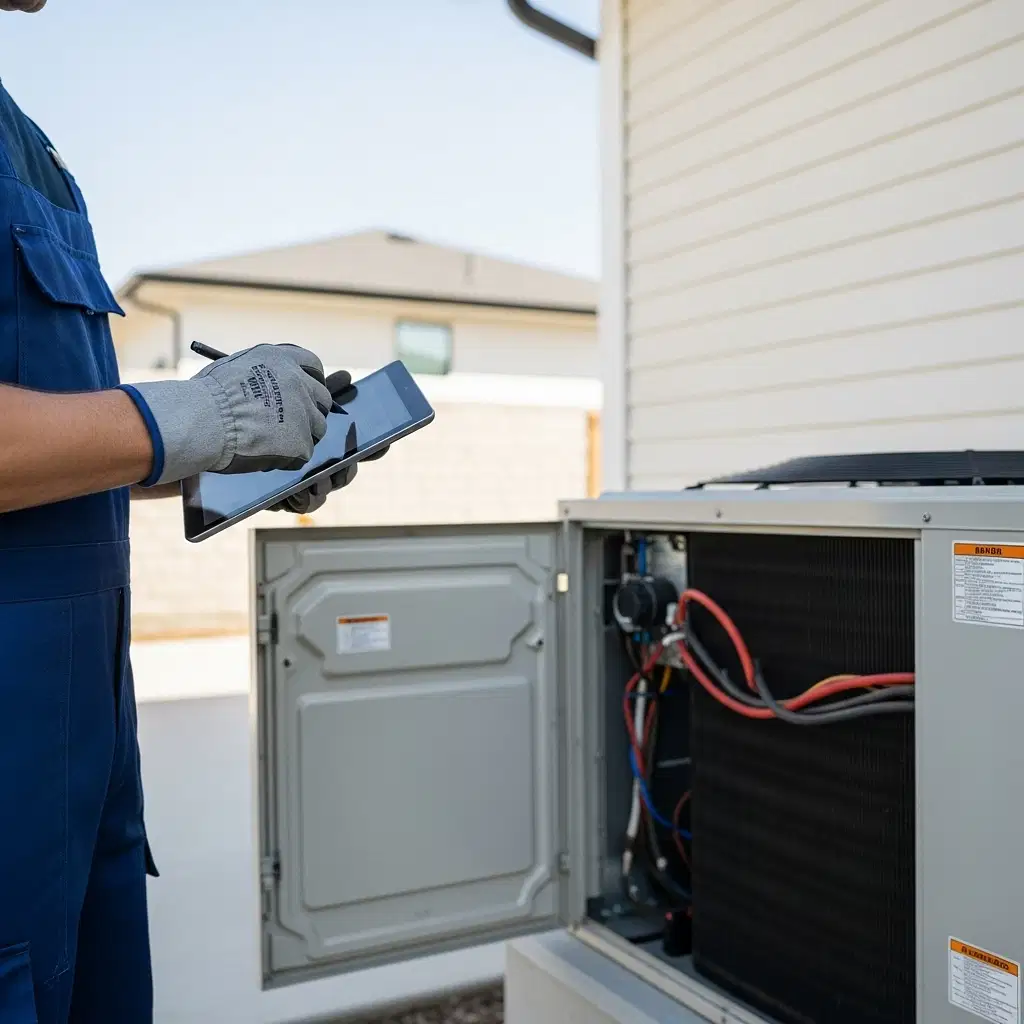
Proactive maintenance is the single best way to prevent a rooftop unit heating startup failure. During a routine check, technicians can clean flame sensors, test ignition modules, monitor refrigerant levels, and ensure that all safety controls are operating within manufacturer specifications. This not only prevents sudden breakdowns but also helps lower your heating and cooling bills by keeping the system running at peak efficiency. In an era of skilled labor shortages and fluctuating equipment costs, a steady preventative maintenance program protects your budget from the massive overhead costs of emergency repairs and system downtime.
Eventually, every system reaches the end of its functional life. If your equipment requires constant repairs, uses outdated R-410A refrigerant that is being phased out, or simply cannot keep up with your building's demands, it might be time for an upgrade. When y'all are ready to explore high-efficiency options, RDS Mechanical and Construction provides expert HVACR installation services tailored to your specific operational needs.
Don't let a heating startup failure put a freeze on your business operations this winter. Contact RDS Mechanical and Construction today to schedule a comprehensive diagnostic check or to discuss a preventative maintenance program designed to maximize your ROI and keep your facility comfortable year-round.