Standardizing Multi-Location Commercial Mechanical Maintenance
Managing a single commercial facility requires constant attention, budget oversight, and a proactive mindset. When you multiply that responsibility across several properties throughout the Metroplex, the complexity scales dramatically. Property managers and commercial real estate owners often find themselves juggling multiple vendors, tracking completely different service schedules, and fielding frantic tenant calls when systems inevitably fail during peak seasons.
For businesses relying on consistent indoor comfort and refrigeration, maintaining operational efficiency is not just about keeping the air cold; it is about protecting your bottom line. Relying on a patchwork of different contractors for your commercial hvac services often leads to unpredictable pricing, uneven service quality, and a lack of historical data on your equipment. When one location has its filters changed quarterly but another is neglected until the compressor fails, your operational budget takes a massive, unnecessary hit.
At RDS Mechanical and Construction, we understand that decision-making for property managers is heavily driven by return on investment and operational efficiency. That is why transitioning away from reactive, piecemeal repairs toward standardized HVACR maintenance programs is one of the smartest financial moves a growing commercial enterprise can make. By centralizing your approach, you can regain control over your maintenance budget, extend the lifespan of your expensive mechanical equipment, and significantly reduce tenant complaints.
The Hidden Costs of Fragmented Maintenance Strategies
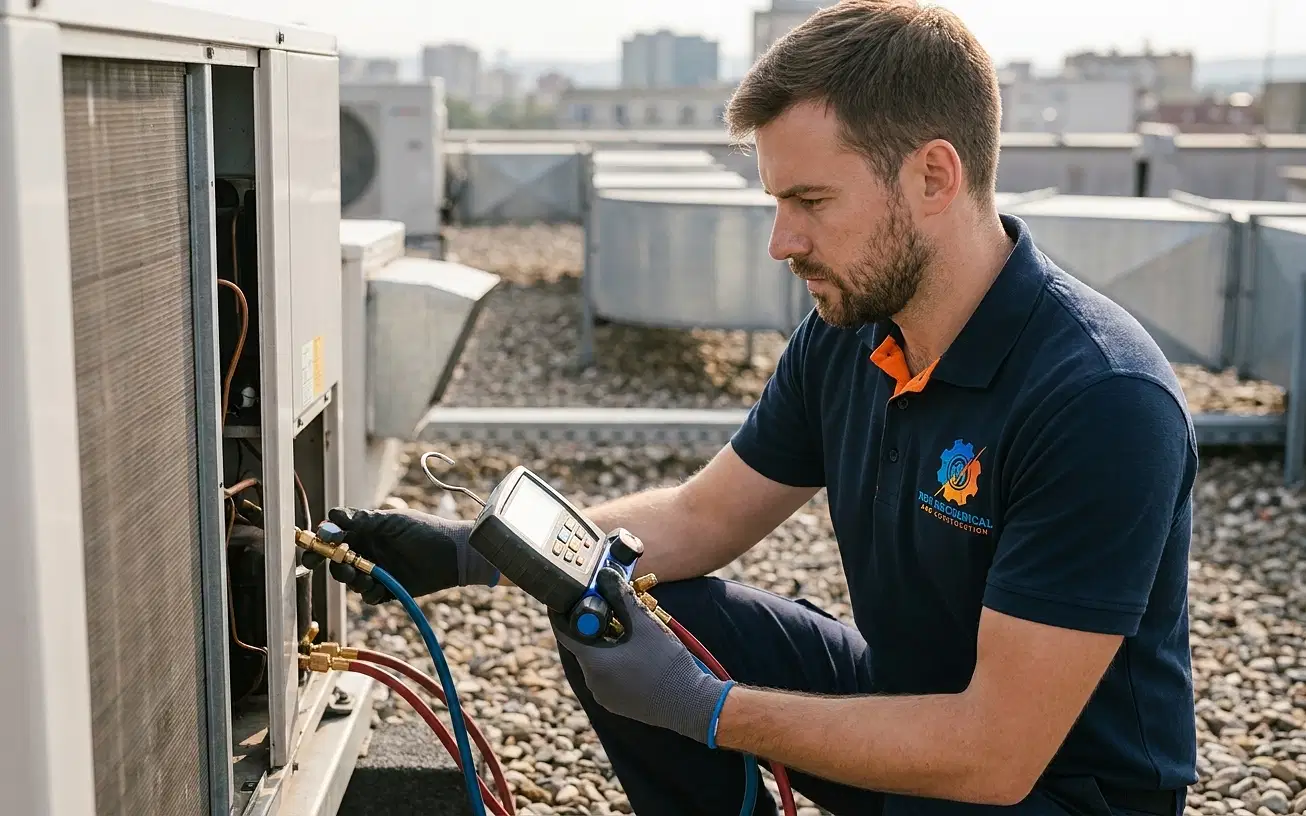
One of the most significant pain points for multi-site business owners is the logistical nightmare of managing dispatching and real-time technician tracking across various independent service providers. When you lack a unified system, scheduling delays and inefficient routing become the norm. This hurts tenant satisfaction and increases the likelihood of critical system failures.
Furthermore, the HVAC industry is currently facing a severe shortage of skilled, certified technicians. When you rely on ad-hoc hvac repair calls rather than an established partnership, you are often placed at the back of the line during extreme summer or winter demand spikes. This seasonal fluctuation means that when a Texas-sized heat wave hits, unmaintained rooftop units are pushed to their limits, and securing timely emergency service becomes incredibly stressful and expensive.
Fragmented maintenance also makes it nearly impossible to accurately forecast financial needs. Fluctuating equipment costs and unexpected major system retrofits can cause severe cash flow issues. Preventing equipment downtime across multiple locations requires a bird's-eye view of your entire portfolio's health. Without a standardized checklist and a single, accountable service partner, minor issues—like a small refrigerant leak or a worn-out contactor—go unnoticed until they cause a catastrophic failure that disrupts business operations.
The Strategic Value of Centralized HVAC Maintenance
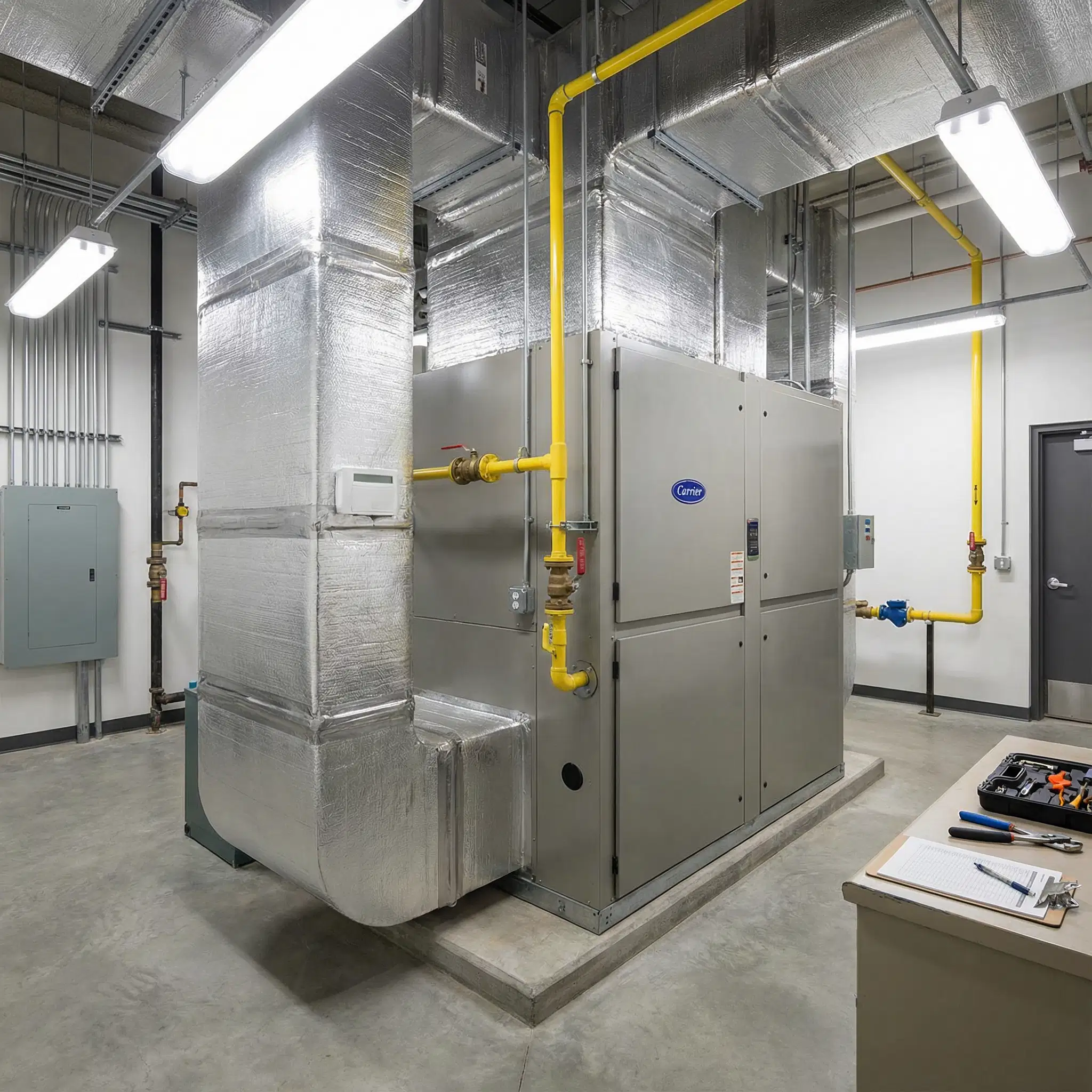
Implementing centralized hvac maintenance for property managers fundamentally changes how facilities operate. By utilizing comprehensive multi-site services, you establish a single point of contact for all your properties. This means standardizing exactly how often commercial systems should be serviced. For most commercial properties, a quarterly preventative maintenance schedule is essential to address filter replacements, belt checks, and coil cleanings before the heavy cooling or heating seasons begin.
Standardization also allows you to take advantage of modern technological advancements. The industry is rapidly shifting toward the integration of smart thermostats, IoT-enabled diagnostics, and predictive maintenance systems. When all your properties are managed under one standardized umbrella, implementing these technologies becomes seamless. You can remotely monitor equipment health, automate temperature adjustments based on building occupancy, and address advanced indoor air quality (IAQ) solutions—such as HEPA filtration and humidity control—uniformly across your entire portfolio.
Additionally, a unified approach simplifies regulatory compliance. With the ongoing phase-down of high-GWP hydrofluorocarbons like R-410A and the transition to eco-friendly alternatives mandated by the EPA, having a dedicated mechanical partner ensures that every location you manage remains compliant. A trusted partner will track the refrigerant types used across your sites and help you budget for future upgrades systematically, rather than forcing you to react to sudden regulatory penalties or obsolete part shortages.
Maximizing ROI Through Strategic Partnerships
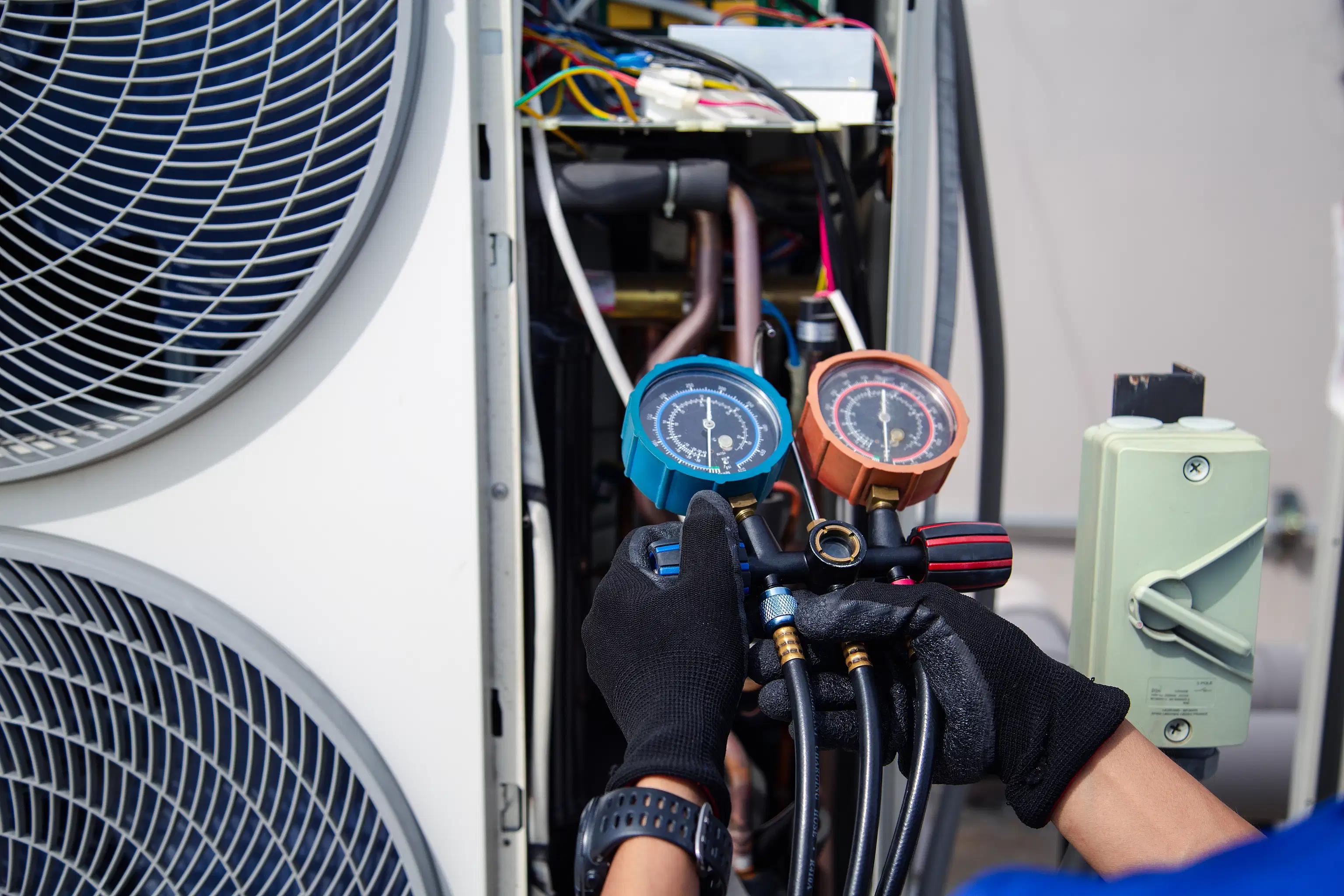
Ultimately, standardizing your multi site commercial mechanical maintenance is about creating predictable, scalable operational success. You need to know that whether a tenant is in a retail space on one side of town or an office park on the other, they are receiving the same high standard of care. Standardized preventative maintenance minimizes downtime, lowers monthly energy bills by keeping equipment running at peak efficiency, and provides you with the detailed reporting needed to make informed capital expenditure decisions.
When calculating hvac cost over the lifecycle of commercial equipment, the return on investment of a proactive maintenance program is undeniable. You replace the chaos of emergency breakdowns with the calm predictability of scheduled care. This shift not only protects your physical assets but also protects your reputation with tenants who rely on you for a safe, comfortable, and operational environment.
If you are tired of managing a disjointed network of contractors and want to bring predictability to your property management portfolio, RDS Mechanical and Construction is here to help. We specialize in comprehensive mechanical services tailored specifically to the needs of North Texas businesses. Reach out to us through our contact page to discuss how we can build a customized, standardized maintenance program that protects your investments across every location.