Preparing Your Commercial HVAC System for the Fall Transition
If your business just survived another round of triple-digit heat, you and your cooling equipment both deserve a breather. For property managers and small business owners in the Dallas area, the arrival of autumn brings welcome relief from extreme summer temperatures. However, this mild shoulder season shouldn't just be a waiting period; it is the most strategic time of year to evaluate your facility's climate control systems.
Transitioning from intense summer cooling to reliable winter heating requires more than just flipping a switch on the thermostat. Getting ahead of the seasonal shift helps prevent unexpected downtime, keeps your tenants comfortable, and protects your bottom line. Let's look at a comprehensive approach to preparing commercial HVAC for fall transition, ensuring your equipment is ready for whatever weather comes our way.
The Importance of a Proactive Fall Strategy
When temperatures finally start to drop, it is tempting to put climate control out of your mind. But any seasoned facility manager knows how quickly a mild autumn day can turn into a sudden Blue Norther. Waiting for that first freezing night to test your heating system often results in emergency service calls and unhappy tenants.
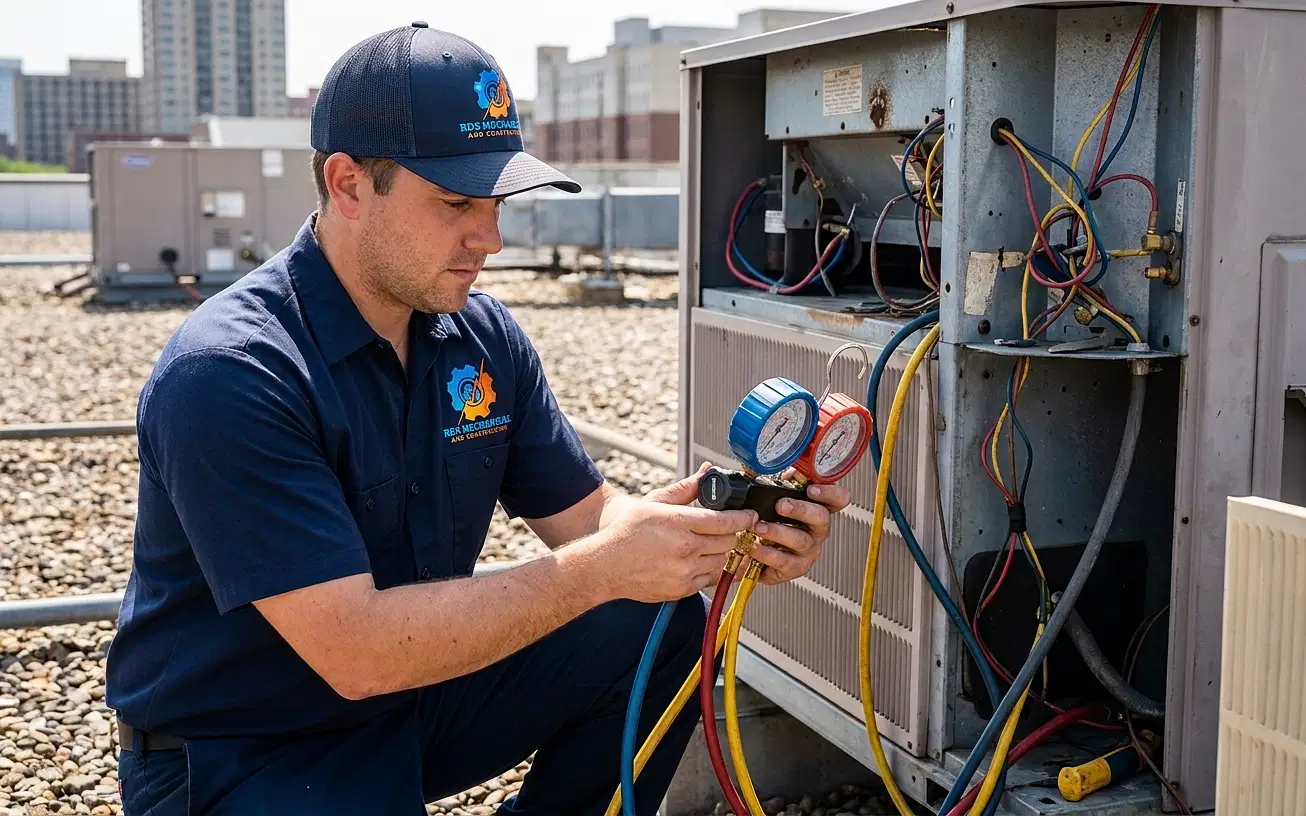
Following a strict commercial fall HVAC maintenance checklist allows technicians to address the wear and tear caused by running air conditioners continuously for months. Components like belts, bearings, and blower motors endure significant stress during peak summer demand. By identifying minor issues now, you avoid complete system failures later. We frequently hear customers ask how often they should schedule professional maintenance. For commercial properties, bi-annual service—once before summer and once before winter—is the industry standard to ensure optimal performance and long-term reliability.
Investing in routine HVACR maintenance programs is one of the most effective ways to maximize your return on investment. Regular care extends the lifespan of your expensive mechanical assets and keeps your monthly utility bills in check, directly addressing the financial pressures of operating a modern business.
System Changeovers and Efficiency Upgrades
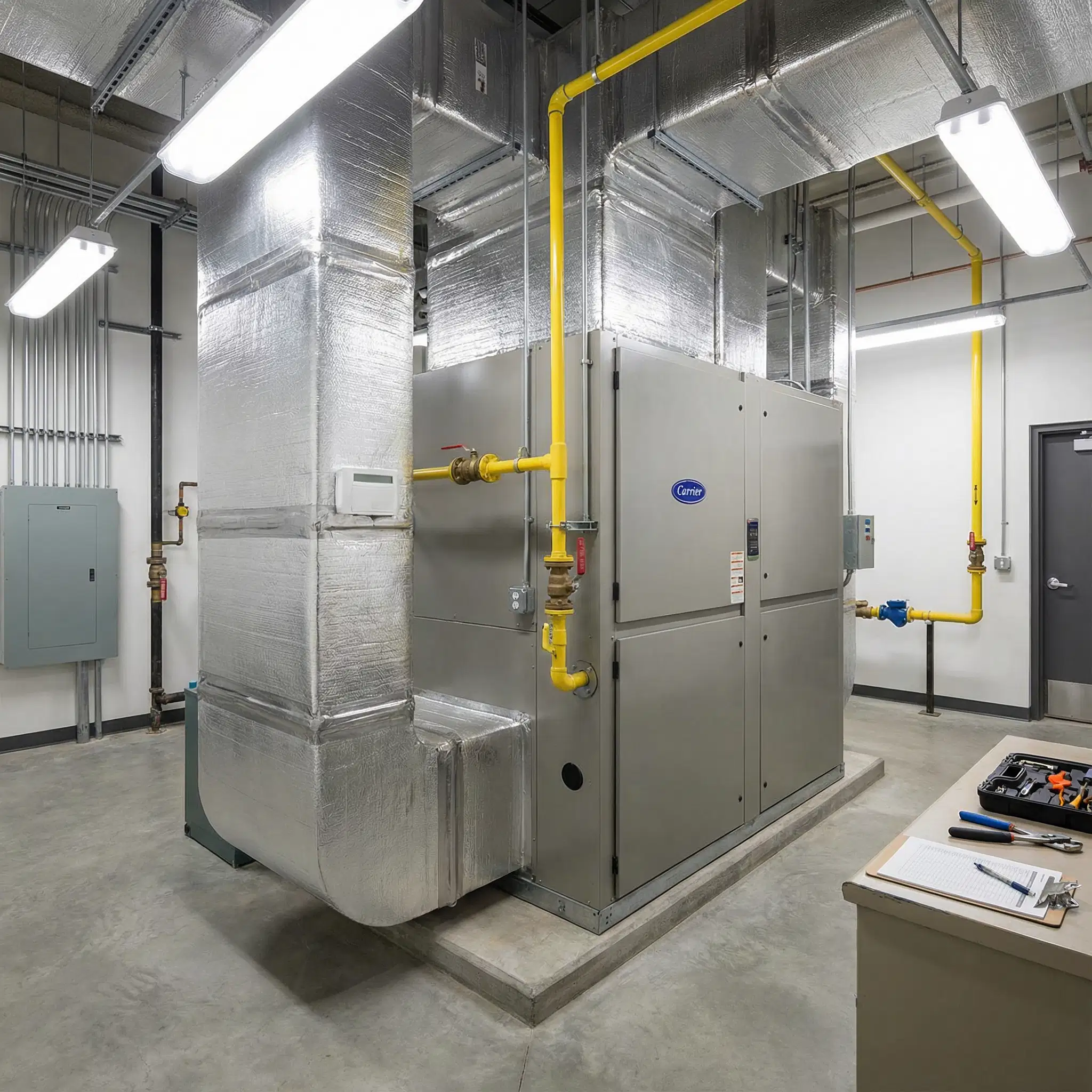
Switching operations from cooling to heating isn't always straightforward in large commercial spaces. Effective commercial AC to heating changeover tips begin with a thorough inspection of the heat exchanger or heating coils, ensuring they are clean and free of cracks that could pose safety risks. It is also the perfect time to upgrade your facility's air filtration. With fall allergens sweeping through the region, high-efficiency filters improve indoor air quality, keeping employees and customers healthier while ensuring adequate airflow through your ductwork.
This shoulder season is also an ideal time to evaluate your equipment's overall efficiency. With the ongoing transition to lower-GWP refrigerants and stricter SEER2 energy efficiency standards, older units are becoming increasingly expensive to repair and operate. We are often asked if a heat pump is a viable option for local winters or if a traditional gas furnace is strictly required. Modern commercial heat pumps are incredibly efficient and can handle our typical winter climate beautifully, often lowering your overall electricity consumption compared to outdated legacy systems.
If your current equipment is nearing the end of its life, planning ahead for an HVACR installation during the fall ensures you aren't rushed into a decision during a mid-winter breakdown. It gives you the time to carefully secure the right equipment, explore commercial financing options, and schedule the project with absolute minimal disruption to your daily operations and tenant activities.
Streamlining Operations Across Multiple Properties
For property groups managing several locations across the Metroplex, the change in seasons requires significant logistical planning. Coordinating a multi-facility heating tune up schedule can feel overwhelming, but it is critical for ensuring consistency and comfort across your entire portfolio.
Modern commercial HVAC technology offers incredible advantages for multi-site managers. Upgrading to smart thermostats and IoT-enabled building management systems allows you to monitor energy usage, adjust setpoints, and diagnose potential issues remotely. These technological innovations reduce the need for on-site visits and provide real-time data on how your buildings are performing, which is essential for catching inefficiencies early.
To make this process seamless, partnering with a contractor who understands the complexities of scaled operations is key. Dedicated multi-site services ensure that whether you manage three retail spaces or a dozen mid-rise office buildings, every single unit receives the same thorough inspection and preventative care before the cold weather sets in.
Partner with RDS Mechanical and Construction
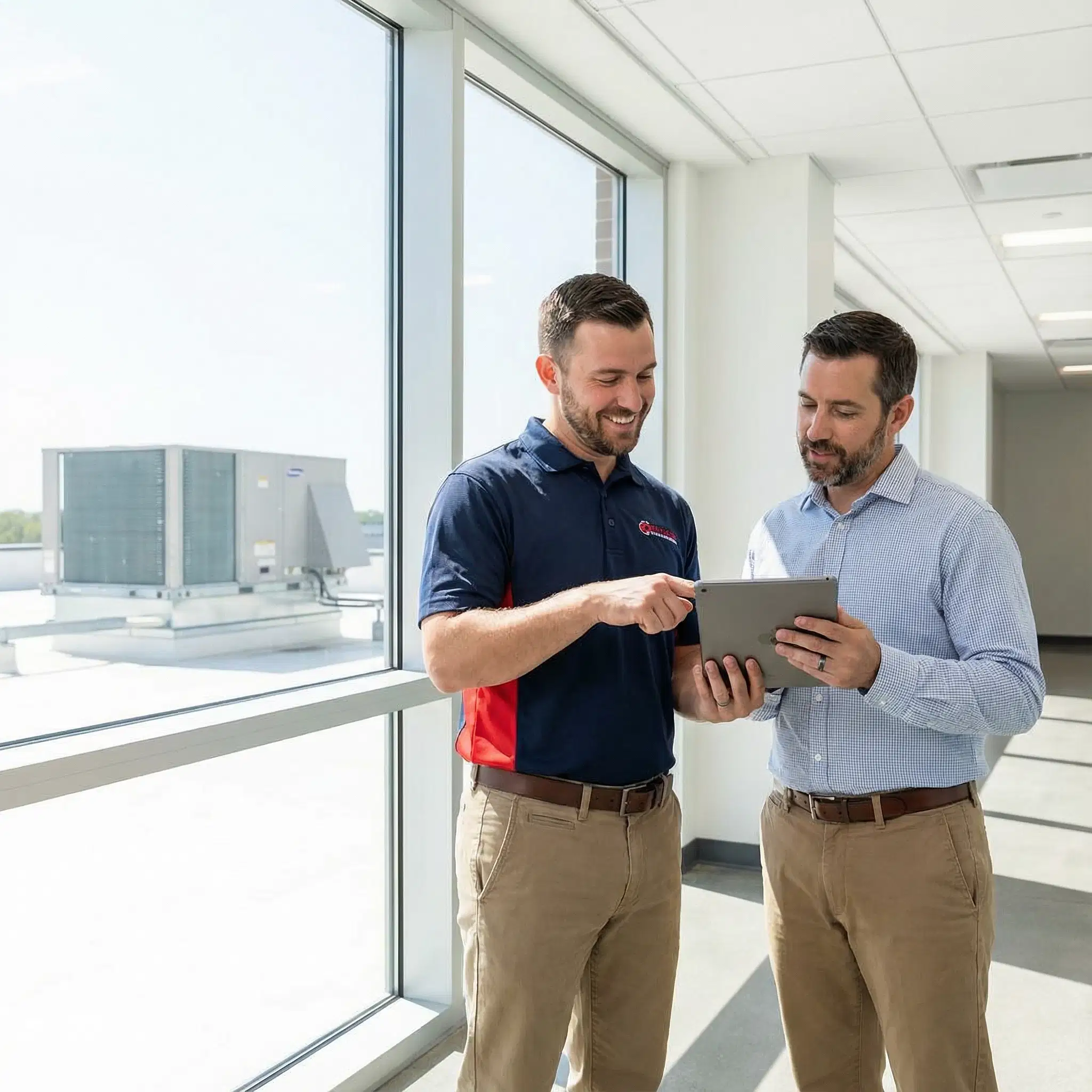
Staying ahead of the weather in North Texas requires careful planning, technical expertise, and a local contractor you can trust to deliver results. At RDS Mechanical and Construction, our primary focus is helping commercial entities protect their investments, minimize operational downtime, and create consistently comfortable environments for their tenants.
Don't wait until the first winter freeze to find out if your heating system is up to the task. Whether you need to schedule preventative maintenance for a single location, explore energy-efficient system retrofits, or require comprehensive mechanical and refrigeration services across a sprawling portfolio, our experienced technicians are ready to help. Reach out to our team today to tailor a seasonal transition plan that fits your business's unique needs, maximizes your operational efficiency, and keeps your budget on track all year long.