Is Your Business Ready for a Blue Norther? A Commercial HVAC Preparedness Guide
Anyone who has spent time in North Texas knows the feeling: a warm, breezy day suddenly gives way to a dramatic drop in temperature as a Blue Norther rolls through. While these iconic cold fronts are a part of life in the Metroplex, they can spell disaster for a commercial property's heating system if it isn't prepared. For a business owner or property manager, an unexpected furnace failure isn't just an inconvenience—it's a direct threat to operations, tenant satisfaction, and your bottom line. The key to weathering these sudden freezes isn't luck; it's proactive preparation. At RDS Mechanical and Construction, we specialize in ensuring Dallas-area businesses remain warm, safe, and fully operational, no matter what the Texas sky has in store.
The High Stakes of a Sudden Cold Snap
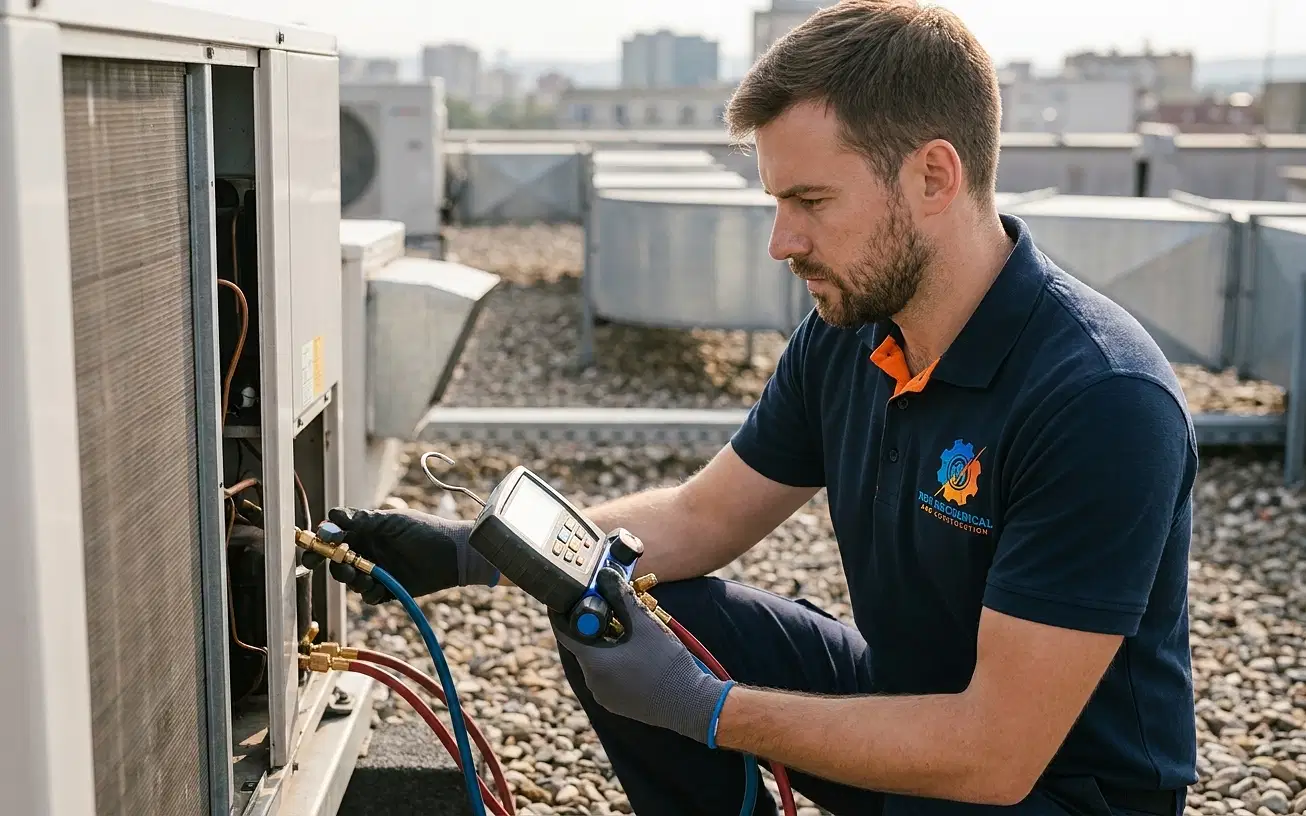
A sudden, intense strain on your heating system can expose underlying weaknesses that went unnoticed during milder weather. When your commercial furnace or heat pump fails during a cold snap, the consequences ripple throughout your entire operation.
- Operational Disruption: A cold building is an unproductive one. For office spaces, it means employees who can't focus. For retail stores, it means customers who won't stay. For multi-family properties, it means unhappy tenants and a flood of maintenance calls. Every hour of downtime is an hour of lost revenue or damaged reputation.
- Financial Shocks: Emergency repairs are always more expensive than planned maintenance. You're not just paying for the fix; you're paying for the urgency. The costs can escalate dramatically if the failure leads to secondary damage, like frozen and burst pipes. A single burst pipe can cause thousands of dollars in water damage, turning a simple HVAC issue into a major catastrophe.
- Safety and Liability: As a property manager or business owner, you have a responsibility to provide a safe and habitable environment. A prolonged loss of heat can create unsafe conditions for employees, tenants, and customers, potentially leading to liability issues.
Common Failure Points in Commercial Heating Systems
When a Blue Norther hits, your HVAC system goes from zero to sixty in an instant. This sudden demand is what typically triggers a failure. Understanding the common weak points can help you prioritize your maintenance efforts.
- Ignitors and Pilot Lights: These are among the most frequent points of failure in gas furnaces. A faulty ignitor means the furnace can't produce heat, period.
- Blower Motors and Belts: The blower motor is the heart of your forced-air system. A worn-out belt can snap under the strain of a cold-weather startup, and a failing motor can seize completely.
- Heat Exchangers: A cracked heat exchanger is a serious safety hazard, as it can leak carbon monoxide into your building. The rapid expansion and contraction caused by a sudden temperature drop can worsen existing stress fractures.
- Frozen Coils and Pipes: Rooftop units and systems with exposed piping are particularly vulnerable. If condensation or water lines freeze, they can block operation or, worse, burst and cause significant damage.
- Thermostats and Controls: An uncalibrated or failing thermostat can prevent the heating system from ever getting the signal to turn on, leaving your building in the cold.
Your Proactive Checklist for Winter Weather Preparedness
Don't wait for the temperature to plummet before thinking about your heating system. A proactive approach will save you money, prevent downtime, and give you peace of mind. Here’s how to prepare your commercial property.
-
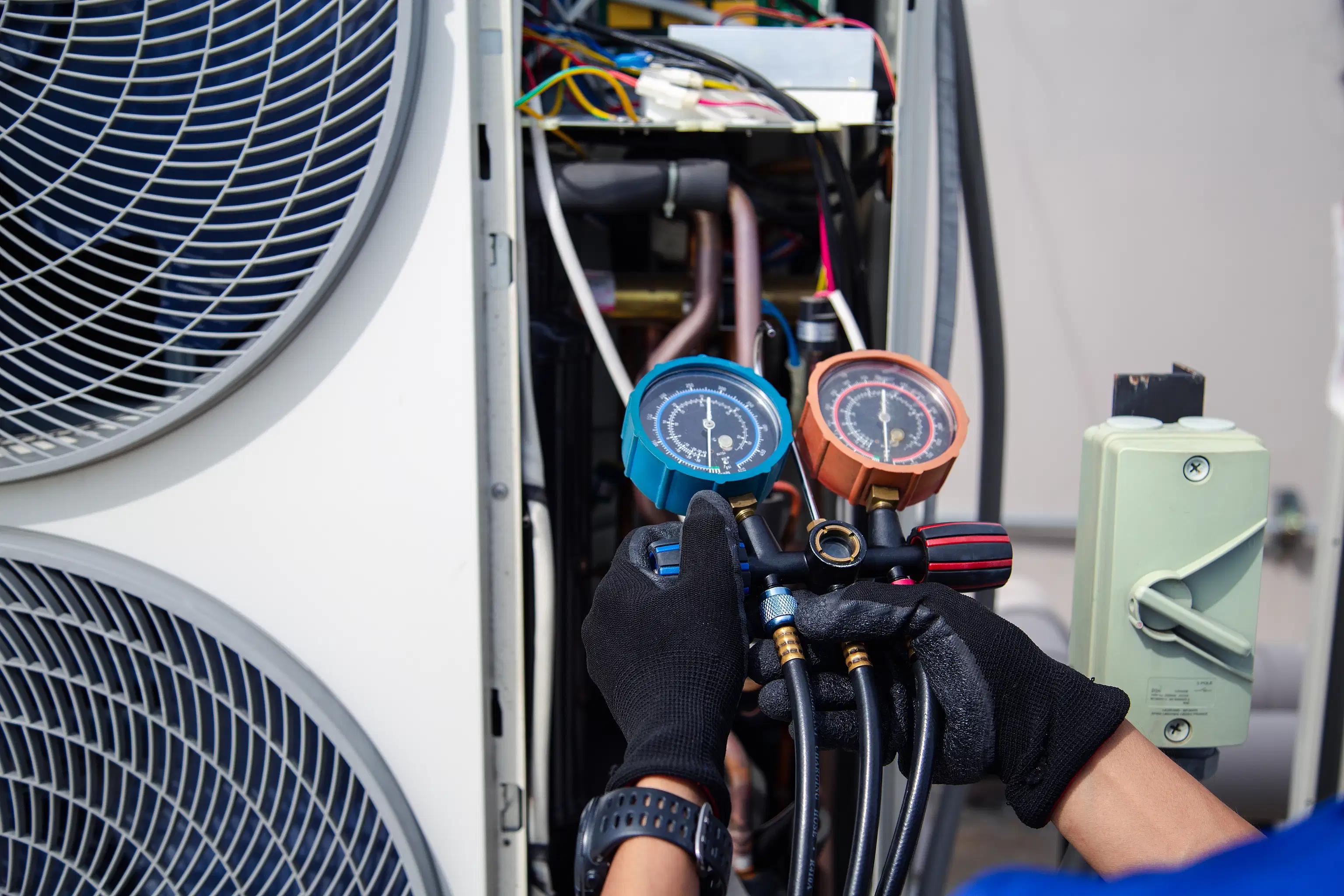
Schedule a Professional Maintenance Tune-Up: This is the single most effective step you can take. A comprehensive tune-up from a qualified technician involves inspecting safety controls, cleaning critical components, lubricating moving parts, and testing the system's performance. By identifying and addressing potential issues before they become emergencies, you ensure reliability when you need it most. Our HVACR Maintenance Programs are designed to keep your systems running efficiently year-round.
-
Inspect and Insulate Vulnerable Pipes: Take a walk through your property to identify any exposed plumbing or condensate lines, especially in unheated areas like basements, attics, or exterior walls. Ensuring these pipes are properly insulated is a low-cost measure that can prevent a high-cost disaster.
-
Test Your System Early: Don't let the first cold day be the first time you run your heat. In the fall, turn your system on and let it run for at least 15-20 minutes. Listen for any unusual noises and ensure warm air is flowing correctly. This simple test gives you a chance to spot problems while it's still mild outside.
-
Know Who to Call in an Emergency: Even with the best preparation, emergencies can happen. Have the number of a trusted, responsive HVAC partner on hand. You need a team that understands the urgency of a commercial heating failure and has the expertise to get you back online quickly. Our 24/7 Emergency Service is always ready to respond when you need us most.
Don't Let a Blue Norther Freeze Your Business
A sudden cold front doesn't have to mean a business crisis. By taking proactive steps and partnering with a reliable HVAC expert, you can protect your property, your people, and your profitability. Regular maintenance is an investment in operational continuity, ensuring your heating system is ready to handle the worst of a North Texas winter without fail.
If you want to ensure your business is prepared for the next cold snap, contact RDS Mechanical and Construction today. Let's discuss a preventative maintenance program or schedule a system inspection. We're here to provide the expert mechanical services and repairs that keep Dallas businesses running, no matter the weather.